/filters:format(jpeg,png)/fit-in/300x300/guide_websites/30251/images/chatgptimageapr23202504_33_22pm.png)
/filters:format(jpeg,png)/fit-in/237x80/guide_websites/30251/images/chatgptimageapr23202504_33_22pm.png)
Arkansas Duck Migration Guide
%2Ffit-in%2F1000x1000%2Ffilters%3Aformat(webp)%2Fguide_websites%2F30251%2Fimages%2F1745403773640image37.png&w=1920&q=75)
Published: July 7, 2026
Standing outside on a cold Arkansas morning and hearing ducks moving overhead before sunrise is enough to make almost any hunter fall in love with Arkansas duck hunting. Every year, millions of birds are travelling through the Mississippi Flyway, stopping in the state’s flooded timber, rice fields, and wetlands before continuing farther south. These yearly movements are what make duck migration season one of the most anticipated times for Arkansas hunters and traveling waterfowl enthusiasts alike.
This Arkansas duck migration guide is designed to help you understand where ducks travel, how weather changes movement, and where hunters can find the best opportunities during peak waterfowl migration. Whether you are planning your first trip, booking guided duck hunts, or simply following the latest migration report, understanding how migration works will help you make the most of the season.
Understanding The Mississippi Flyway
Think of the Mississippi Flyway as a giant highway in the sky stretching across North America. Birds travel from breeding grounds in Canada and states like South Dakota southward toward winter habitat. While other routes exist, including the Central Flyway and Atlantic Flyway, Arkansas sits directly within one of the busiest migration corridors in the country.
Arkansas provides nearly everything migrating birds need: flooded timber, rice fields, wetlands, food sources, and protected habitat. Areas filled with native vegetation, shallow water, and acorns create ideal resting areas for ducks during migration. This habitat diversity is one reason Arkansas duck hunting remains among the best in the country. Hunters looking for consistent bird numbers often rely on experienced Arkansas waterfowl hunting guides and local knowledge to understand shifting migration patterns.
Compared to the Central Flyway farther west and the Atlantic Flyway to the east, the Mississippi Flyway carries one of the largest concentrations of migrating waterfowl in North America. This route naturally funnels birds through the middle of the country where food and habitat are easier to find during winter. Arkansas sits almost perfectly in the center of this path, which is why hunters often see such large concentrations of ducks every season.
Over time, agriculture has also shaped migration patterns. Rice farming throughout the Arkansas Delta creates feeding opportunities that birds depend on during migration. Combined with flooded timber and wetlands filled with native vegetation, the state provides both food and shelter during long migration flights. These habitat advantages keep ducks returning year after year.
Common Duck Species In Arkansas
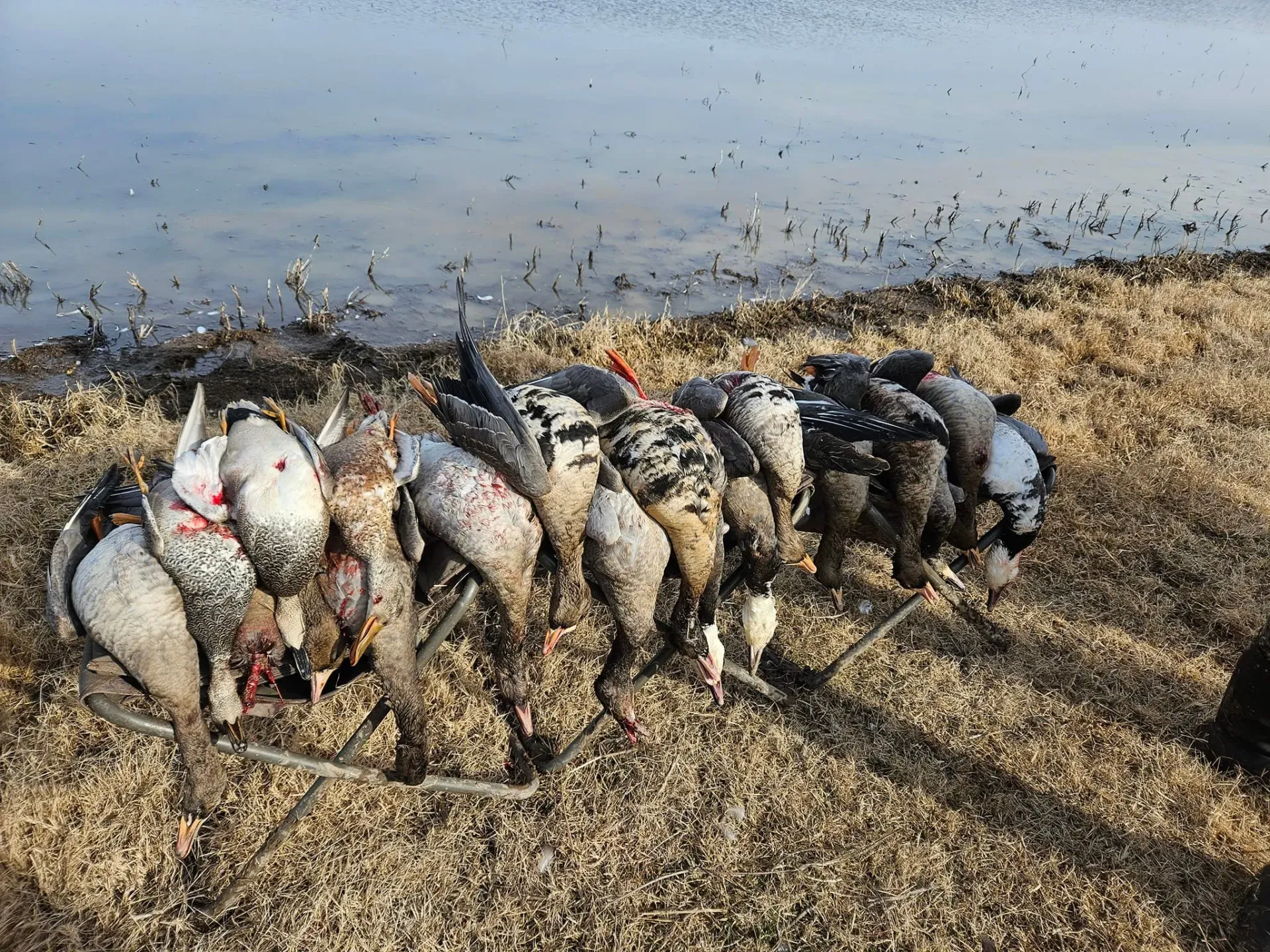
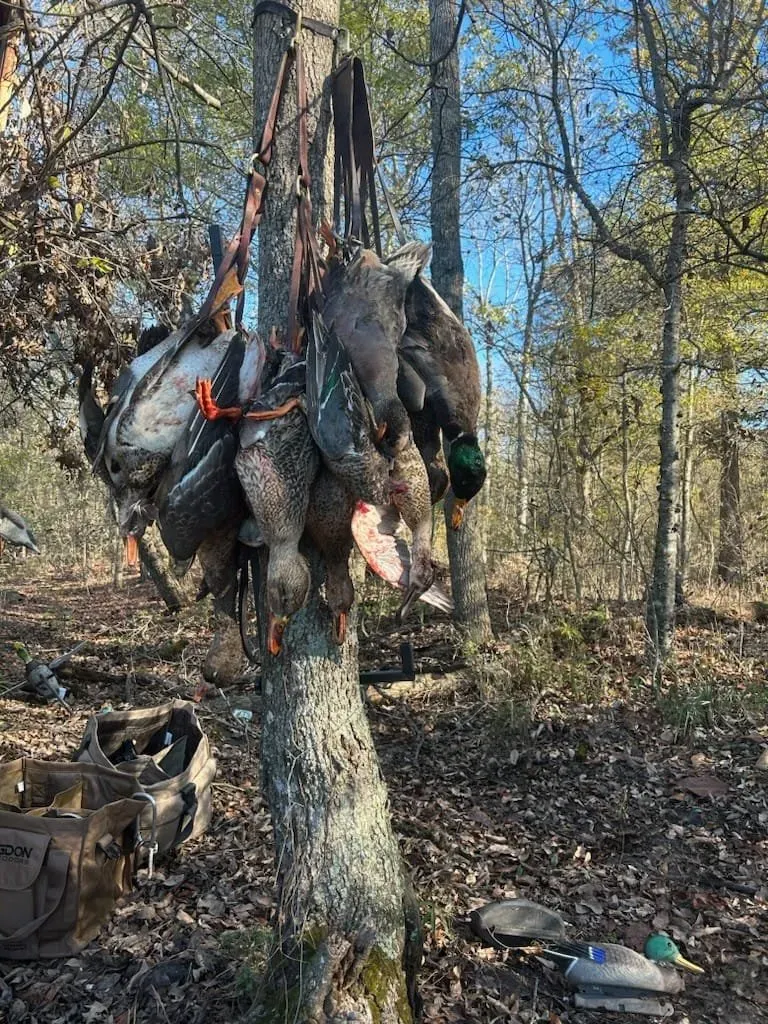
Mallards remain the star of most waterfowl hunting trips, but Arkansas attracts many species throughout migration season. The wood duck is one of the earliest birds that hunters encounter, especially during early migration periods. Hunters also regularly see wood ducks, teal, gadwalls, and the elegant Northern Pintail, which often arrive following strong cold fronts.
Species diversity changes throughout the season depending on habitat conditions and weather. Flooded timber attracts mallards while open agricultural fields often hold pintails and teal. Watching shifts in the local duck population and monitoring regional migration trends helps hunters understand where birds are concentrating throughout the season.
Different species use different habitat types throughout migration season. Mallards prefer flooded timber, flooded fields, and shallow wetlands with abundant food sources. Northern pintails usually prefer more open habitat where they can easily spot predators while feeding. Wood ducks often stay closer to timber and wooded wetlands, especially during early migration periods.
Hunters who understand habitat preferences usually have greater success because ducks do not spread evenly across the landscape. Learning where birds prefer to feed, loaf, and rest can make scouting easier and improve overall hunting success. Monitoring changes in local duck population trends throughout the season also helps hunters adjust strategies as migration shifts southward.
How Habitat Affects Duck Migration
Habitat plays a huge role in determining where ducks stop during migration. Birds do not simply land randomly. They search for places that provide food, protection, and open water. In Arkansas, that usually means wetlands, flooded timber, rice fields, and managed waterfowl areas.
Native vegetation is especially important because it creates shelter while supporting insects and natural food sources. Areas with healthy habitat conditions generally hold birds longer than areas with poor food availability or limited water. Habitat quality also influences overall duck population numbers from year to year.
Large public areas throughout northeast Arkansas, central Arkansas, and portions of the Arkansas River Valley continue investing in habitat management because healthy ecosystems support stronger migration numbers. Many hunters notice that years with better water conditions often lead to stronger waterfowl migration activity. Protecting wetlands remains important not only for hunting opportunities but also for long-term conservation efforts across North America.
When Ducks Arrive In Arkansas
Migration happens in waves. Early migration begins in late October and early November when local ducks and smaller groups start appearing across the state. During this period, many birds move into areas across northeast Arkansas, portions of central Arkansas, and regions surrounding the Arkansas River Valley. Hunters often focus on scouting habitat conditions and tracking local duck count numbers to understand early movement.
Peak migration usually runs from late November through January. This is when major weather systems freeze northern water sources and force birds south. The Arkansas Delta, rice country around Stuttgart, and habitat near the Arkansas River become important staging areas. This is also when many hunters schedule guided duck hunts and premium waterfowl hunting trips because bird numbers often reach seasonal highs.
Late-season migration extends into February. Birds become cautious, hunting pressure increases, and habitat quality becomes even more important. Areas with strong food sources and reduced pressure usually hold birds longer. Hunters in southwest Arkansas often find late-season opportunities when northern portions of the state become crowded.
Weather’s Impact On Migration
Weather remains one of the biggest drivers of waterfowl migration. Cold fronts push birds south, north winds help migration movement, and frozen water farther north creates immediate movement into Arkansas. Most experienced hunters monitor weather systems moving through states like South Dakota because northern freezes often trigger large migration pushes into Arkansas within days. Monitoring a daily migration report or reviewing an updated waterfowl report can provide valuable insights into changing bird numbers. Hunters often combine weather forecasting with local scouting to predict movement rather than relying on luck alone.
Best Places To Hunt During Migration
Some locations in Arkansas are popular among duck hunters. Areas surrounding Big Lake WMA and Big Lake in northeastern Arkansas continue attracting birds every season because of their wetlands and strong habitat management. Experienced hunters also visit places like the Dark Corner Waterfowl Unit, public lands near Bayou Meto, and flooded timber systems across the state.
The Grand Prairie region and locations surrounding Stuttgart remain extremely popular because they combine agriculture with ideal water conditions. Some hunters choose professional operations such as Cupped Wings Guide Service or other local outfitters for access to managed properties and experienced guides. Quality habitat and local experience often matter more than luck.
How Hunters Track Duck Migration
Successful hunters spend time studying movement patterns before stepping into the blind. Most follow an updated migration report, monitor migration station updates, and watch local duck count numbers throughout the season. Reports from the Arkansas Game and Fish Commission and regional fish commission resources often provide helpful updates on habitat conditions and bird concentrations.
Hunters should also understand regulations before traveling. Most waterfowl hunters need an Arkansas waterfowl stamp, a Federal Duck Stamp, and proper licenses before the start of duck season and waterfowl season. These requirements support habitat restoration and future conservation efforts managed alongside federal agencies and the local wildlife service.
Even events like World Fish Migration Day highlight how habitat conservation affects both fish and bird populations. Healthy wetlands and protected habitat systems remain critical to future migration success.
Experienced hunters rely heavily on daily migration reports during the season. Reviewing a migration report helps hunters understand recent movement patterns, weather systems, and changing bird concentrations. Hunters also monitor local duck count surveys and regional waterfowl reports because migration can change quickly after strong cold fronts.
The Arkansas Game and Fish Commission regularly publishes updates that help hunters understand habitat conditions, water levels, and migration activity across different regions. Some hunters also follow reports from migration stations farther north in states like South Dakota because movement there often predicts what Arkansas hunters may see several days later. Combining migration data with local scouting creates a much clearer picture of bird activity than relying on weather forecasts alone.
FAQ Section
What triggers duck migration?
Cold temperatures and frozen water are the biggest triggers for migration. Ducks move south when food sources freeze over and open water disappears farther north. A major cold front often creates immediate migration movement into Arkansas.
What is peak duck migration in Arkansas?
Peak migration usually happens between mid-December and mid-January when large waves of mallards arrive. This is also when most hunters book guided duck hunts in Arkansas and premium waterfowl hunts.
Where do ducks go after Arkansas?
As winter ends, ducks continue farther south into Louisiana, Texas, and Gulf Coast habitats before eventually beginning their spring migration north again.
What licenses do I need for Arkansas duck hunting?
Most hunters need several items before the season begins, including a valid hunting license, an Arkansas waterfowl stamp, HIP registration, and a Federal Duck Stamp. Non-resident hunters should review state requirements before traveling because regulations can change each year. These fees help fund habitat conservation and support future migration success across the state.