/filters:format(jpeg,png)/fit-in/300x300/guide_websites/30251/images/chatgptimageapr23202504_33_22pm.png)
/filters:format(jpeg,png)/fit-in/237x80/guide_websites/30251/images/chatgptimageapr23202504_33_22pm.png)
Best Time For Duck Hunting In Arkansas
%2Ffit-in%2F1000x1000%2Ffilters%3Aformat(webp)%2Fguide_websites%2F30251%2Fimages%2F1745403773640image37.png&w=1920&q=75)
Published: July 7, 2026
For hunters looking for world-class waterfowl action, Arkansas continues to stand out as one of the best destinations in the country for guided duck hunts, guided waterfowl hunts, and unforgettable flooded timber duck hunting experiences. Every winter, millions of ducks migrate through the Mississippi Flyway and settle throughout the state’s flooded hardwoods, rice fields, wetlands, and reservoirs. Because of this incredible migration, hunters from across the country travel to Arkansas each season to hunt with experienced Arkansas duck hunting guides, stay in premium duck hunting lodges, and book trips through trusted duck hunting outfitters Arkansas hunters return to year after year.
Timing plays a major role in the success of any Arkansas duck hunting trip. Migration patterns shift depending on temperature drops, northern cold fronts, rainfall, and changing weather conditions throughout the season. Understanding when ducks arrive, how weather impacts movement, and which months offer the best hunting opportunities can help hunters plan more successful waterfowl hunts. This guide provides a complete month-by-month breakdown of duck hunting conditions in Arkansas, including peak migration periods, ideal weather conditions, and the best locations to experience authentic guided duck hunts in Arkansas.
Why Arkansas Is A Top Duck Hunting Destination
Arkansas is widely known as the “Duck Capital of the World” because it sits directly within the Mississippi Flyway, one of North America’s largest waterfowl migration routes. Every winter, millions of ducks funnel into the state searching for food, shelter, and resting habitat. This migration path is one of the biggest reasons why Arkansas has become a bucket-list destination for hunters searching for experienced duck hunting guides, professional waterfowl hunting outfitters, and high-quality guided waterfowl hunts.
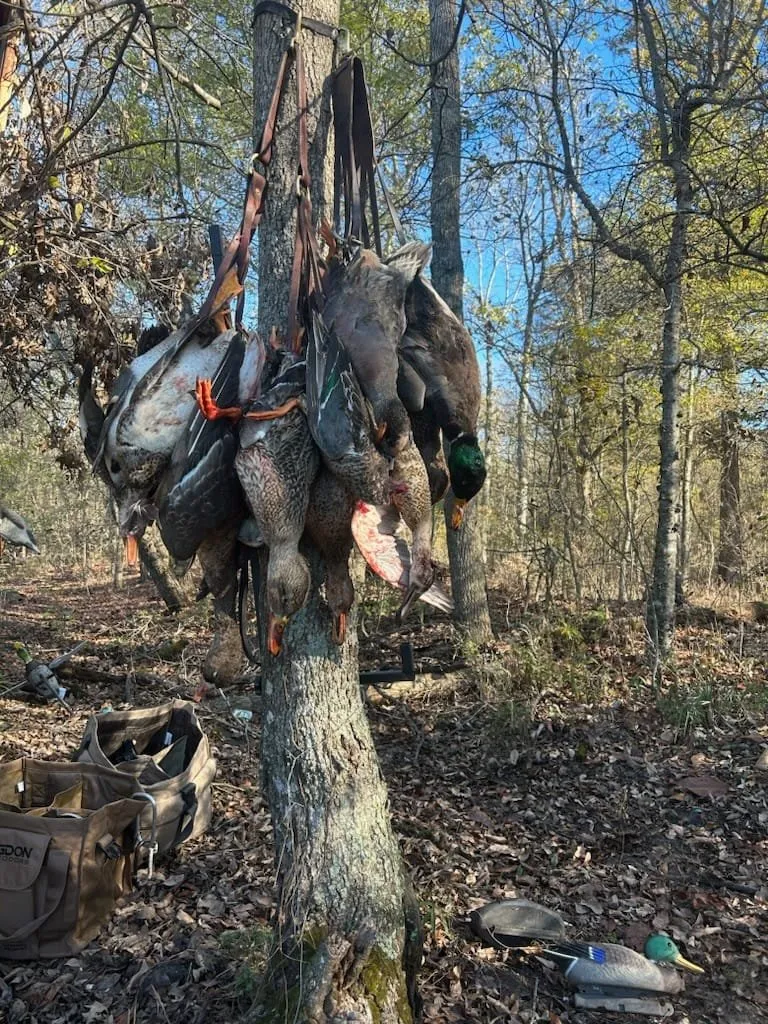
The state’s habitat is another reason why Arkansas duck hunting is considered some of the best in the country. Vast rice fields provide an endless food source for migrating birds, while flooded hardwood timber creates the iconic environment hunters associate with classic southern duck hunting. Areas filled with flooded oak trees attract large numbers of mallards every season, making flooded timber duck hunting Arkansas hunters dream about one of the state’s most famous outdoor experiences. Wetlands, reservoirs, sloughs, and managed waterfowl areas also contribute to the state’s incredible hunting opportunities.
Hunters visiting Arkansas regularly encounter mallards, gadwalls, northern pintails, green-winged teal, wood ducks, wigeon, and several diving duck species throughout the season. This diversity is one reason why so many hunters choose to hunt with experienced Arkansas duck guides and reputable duck hunting outfitters that understand migration timing, feeding habits, and daily bird movement.
Arkansas Duck Hunting Season Dates
The duck hunting season in Arkansas is typically divided into three separate splits managed by the Arkansas Game and Fish Commission. These season splits usually run from late November through late January and are designed to maximize hunting opportunities while supporting waterfowl conservation efforts.
The early season generally begins around Thanksgiving and offers hunters the chance to target less pressured birds during milder weather conditions. This period is often ideal for beginners, families, and hunters booking their first guided duck hunts because ducks tend to respond more aggressively to decoys and calling. The later portions of the season become more challenging as birds gain hunting pressure, but they also bring larger concentrations of migrating ducks into the state. Many experienced hunters consider the late season split the best time for serious Arkansas duck hunting and premium guided waterfowl hunts.
Season dates, bag limits, shooting hours, and licensing requirements can change annually, which makes it extremely important for hunters to review current regulations before planning a trip. Hunters will typically need an AR hunting license, federal duck stamp, HIP registration, and an Arkansas duck hunting license before participating in any hunt. Out-of-state hunters should also secure a non-resident duck hunting license Arkansas regulations require before booking with any Arkansas duck hunting outfitters or duck hunting guides Arkansas visitors will trust.
Best Months For Duck Hunting In Arkansas
November Hunting Conditions
November marks the beginning of duck season in Arkansas and provides excellent opportunities for hunters looking for early migration activity. During this time, local wood ducks and early migratory species such as teal and gadwalls are common throughout the state. Many hunters enjoy booking guided duck hunts in Arkansas during November because birds are generally less pressured and more responsive to calling techniques. Weather conditions are also milder compared to the colder late-season months, making November a comfortable option for beginners and families interested in experiencing waterfowl hunts for the first time.
December Peak Migration
December is when Arkansas truly earns its reputation as one of the top duck hunting destinations in North America. Strong cold fronts from northern states push large waves of mallards and other migratory ducks into Arkansas throughout the month. Rainfall increases during this period, flooding timber areas and creating ideal conditions for legendary flooded timber duck hunting experiences. This is also one of the busiest times of the year for professional duck hunting outfitters Arkansas hunters regularly book months in advance.
The mid-December split often provides an ideal balance between strong migration activity and reduced hunting pressure. As the season transitions into late December, fresh birds continue arriving while colder temperatures increase duck movement across rice fields, reservoirs, and timber holes. Many experienced Arkansas waterfowl hunting guides consider this period the peak of the season for mallard hunting and premium guided waterfowl hunts.
January Late-Season Opportunities
January offers some of the most exciting yet challenging duck hunting conditions of the entire season. By this point, migration is largely complete, and many ducks have already experienced hunting pressure throughout the flyway. Late-season mallards become more cautious, requiring better concealment, quieter calling, and realistic decoy setups. Despite the increased difficulty, January continues to attract serious hunters searching for unforgettable flooded timber duck hunting Arkansas experiences.
Winter storms and major cold snaps during January often create incredible hunting opportunities by pushing fresh birds into the state while increasing feeding activity. Bird numbers usually peak during this stretch of the season, which is why many hunters specifically book late-season trips with experienced duck hunting guides and premium duck hunting lodges. For many hunters, January represents the ultimate Arkansas duck hunting experience.
Best Weather Conditions For Duck Hunting
Weather can dramatically impact the success of any duck hunt in Arkansas. Cold fronts are often the single most important factor influencing migration and daily bird movement. When temperatures drop across northern states, ducks begin moving south in larger numbers, creating ideal conditions for both public land hunters and professional waterfowl hunting outfitters. Many experienced Arkansas duck guides carefully monitor weather systems because the best hunting often occurs during or immediately after strong cold fronts.
Windy days are also highly beneficial for duck hunting because wind forces birds to fly lower while adding natural movement to decoy spreads. Moderate winds between 10 and 20 miles per hour are often considered ideal conditions during guided duck hunts. Rain and overcast skies can also improve hunting success by keeping ducks active throughout the day and encouraging birds to move between feeding and resting areas more frequently. These weather conditions often create memorable hunting experiences for those participating in guided duck hunts in Arkansas.
Best Locations In Arkansas For Duck Hunting
Stuttgart is widely considered the center of duck hunting culture in Arkansas and is home to many respected Arkansas duck hunting guides, luxury duck hunting lodge properties, and experienced duck hunting outfitters. Surrounded by rice fields and reservoirs, the region consistently attracts large numbers of migrating mallards every winter.
Bayou Meto Wildlife Management Area is one of the most iconic destinations for flooded timber duck hunting in the country. Known for its flooded hardwood habitat and strong mallard populations, Bayou Meto remains a bucket-list location for serious waterfowl hunters.
Hunters also travel to Cache River National Wildlife Refuge for excellent mallard hunting and natural bottomland hardwood habitat. The Grand Prairie region surrounding Stuttgart is another major destination because of its combination of agricultural food sources and managed waterfowl habitat. These areas continue to attract hunters searching for authentic guided waterfowl hunts, trusted Arkansas duck hunting outfitters, and unforgettable waterfowl hunts every season.
Tips For Planning Your Arkansas Duck Hunt
Planning ahead is essential for anyone interested in booking successful guided duck hunts in Arkansas. Many of the best duck hunting guides Arkansas hunters rely on fill their schedules months in advance, especially during late December and January when migration activity peaks. Hunters who book early often secure better lodging, stronger hunting locations, and access to experienced Arkansas waterfowl hunting guides with deep knowledge of seasonal bird movement.
Choosing weekdays instead of weekends can also improve the hunting experience by reducing pressure on both public and private hunting areas. Tuesday through Thursday hunts are often quieter and may provide better bird movement compared to crowded weekend hunts. This can make a noticeable difference during peak migration periods.
Proper gear is another important part of any successful Arkansas duck hunting trip. Waterproof waders, layered clothing, insulated gloves, facemasks, and waterproof storage bags are essential during cold and wet conditions. Hunters participating in late-season guided waterfowl hunts should also prepare for freezing temperatures and rapidly changing weather throughout the day.
FAQ Section
What month is best for duck hunting in Arkansas?
For most hunters, late December through January offers the best overall conditions for Arkansas duck hunting because migration activity peaks during this period and large numbers of mallards move into the state following strong cold fronts. Many hunters specifically book trips with professional duck hunting outfitters Arkansas visitors highly recommend during this stretch of the season.
When do mallards arrive in Arkansas?
Mallards begin arriving in Arkansas during mid-to-late November, but the largest migration pushes usually occur throughout December as colder weather develops farther north. Weather conditions heavily influence migration timing each year.
Is January good for duck hunting in Arkansas?
Yes, January is considered one of the best months for experienced hunters looking for serious flooded timber duck hunting Arkansas opportunities. Although birds become more cautious late in the season, January often provides peak bird numbers and excellent hunting conditions following winter storms and cold fronts.
%2F%2Fguide_websites%2F30251%2Fimages%2F1745399240851image7.png&w=1920&q=75)