/filters:format(jpeg,png)/fit-in/300x300/guide_websites/30251/images/chatgptimageapr23202504_33_22pm.png)
/filters:format(jpeg,png)/fit-in/237x80/guide_websites/30251/images/chatgptimageapr23202504_33_22pm.png)
Why Arkansas Is The Duck Hunting Capital
%2Ffit-in%2F1000x1000%2Ffilters%3Aformat(webp)%2Fguide_websites%2F30251%2Fimages%2F1745403773640image37.png&w=1920&q=75)
Published: July 7, 2026
There’s something special about standing in flooded timber before sunrise, listening to distant wings overhead while the water stays perfectly still around you. For generations, hunters across the United States have travelled south searching for that feeling, and most roads eventually lead to Arkansas.
If you’ve ever wondered why Arkansas is the duck hunting capital, the answer goes beyond birds and numbers. Arkansas has built its reputation through decades of strong hunting traditions, unmatched habitat, and some of the best waterfowl hunting opportunities in North America. Whether you’re planning your first Arkansas duck hunt, booking a guided duck hunt, or preparing for multiple duck hunting trips in Arkansas, the state offers experiences that keep hunters returning year after year.
From the Arkansas Delta to the rice fields of the Grand Prairie, few places combine habitat, migration routes, and hunting culture the way Arkansas does. It’s why many consider this region the true duck hunting capital of modern waterfowling.
The History Of Duck Hunting In Arkansas
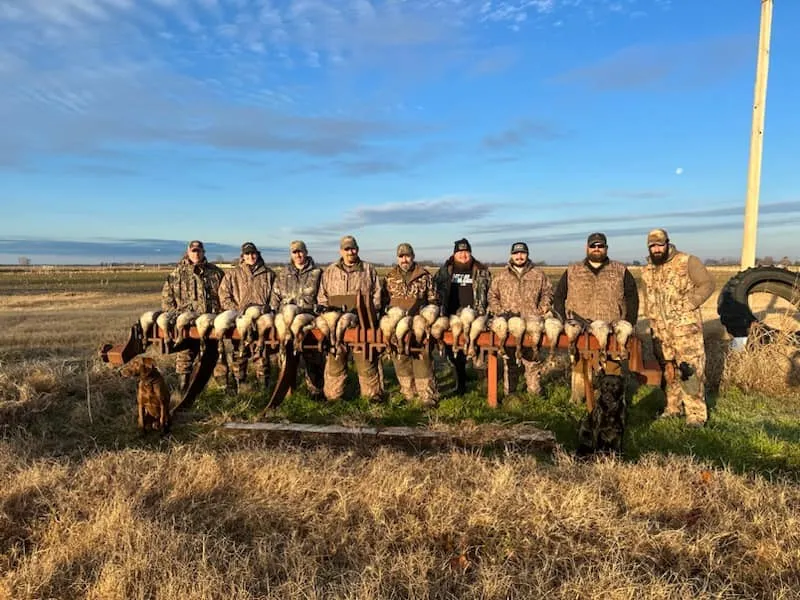
The story of Arkansas duck hunting begins in Stuttgart and spreads throughout Arkansas County, where agriculture and migration patterns created perfect conditions for birds and hunters alike. As rice farming expanded across the Arkansas Grand Prairie, flooded fields transformed into feeding grounds for millions of ducks and other waterfowl.
Over time, duck camps, family traditions, and local craftsmanship helped create a culture centered around the hunt. Generations of Arkansas hunters learned to use handcrafted duck calls, pass down favorite blinds, and teach younger hunters how to identify different duck species moving through the flyway.
Today, visitors arriving for guided experiences quickly discover that duck hunting here is deeply personal. Every duck hunter, guide, and lodge owner becomes part of a tradition that stretches across generations.
Arkansas’s Perfect Duck Habitat
Arkansas offers one of the richest combinations of waterfowl habitat found anywhere in North America. The landscape combines agricultural fields, rivers, forests, and expansive wetlands, creating ideal conditions for birds migrating south.
The Grand Prairie remains especially important because harvested rice fields provide food sources that sustain large waterfowl populations throughout the winter. Across Eastern Arkansas and Northeast Arkansas, flooded agricultural land works alongside natural habitat to create one of the most productive ecosystems for migrating birds.
Perhaps the most famous feature remains flooded timber. Few hunting experiences compare to standing among oak trees waiting for mallards, wood ducks, and other duck species to descend through the canopy. This unique environment gives Arkansas duck hunting a character that hunters struggle to find elsewhere.
The state’s many rivers—including sections surrounding the Arkansas River corridor—also provide additional feeding and resting areas that help sustain ducks throughout duck season.
The Mississippi Flyway Advantage
Arkansas sits directly beneath the Mississippi Flyway, one of North America’s most important migration corridors. Every winter, millions of birds travel south searching for food, shelter, and open water.
As northern temperatures fall, ducks move down the flyway and funnel directly into Arkansas. Because of the combination of wetlands, rice agriculture, and habitat diversity, birds often remain in the region for extended periods instead of continuing south immediately.
This migration pattern creates reliable opportunities for hunters booking guided waterfowl hunts, hunting public land, or working with experienced duck hunting outfitters and waterfowl hunting outfitters.
Famous Arkansas Duck Hunting Locations
Stuttgart
Stuttgart remains the center of the state’s reputation and sits directly inside the fertile Grand Prairie region. Many hunters stay at an Arkansas duck hunting lodge or local hunting lodge while exploring nearby rice fields and timber tracts. The area is also home to Macks Prairie Wings, one of the most recognizable names in waterfowl culture.
Bayou Meto
Bayou Meto remains one of the most iconic public hunting areas in the country. Known for flooded woods and traditional timber hunting, it provides incredible opportunities for hunters wanting authentic Arkansas experiences and remains one of the state's prime hunting locations.
Cache River
The Cache River provides a more natural environment filled with hardwood forests, natural sloughs, and extensive wetlands. This region attracts large numbers of birds, including mallards and wood duck populations that depend heavily on diverse habitat.
Why Hunters Travel From Around The Country
People travel to Arkansas because consistency matters. Reliable migration patterns, strong waterfowl populations, and excellent habitat combine to create exceptional experiences for both beginners and experienced hunters.
Some hunters prefer self-guided adventures while others book guided hunts, hire a duck hunting guide, or join outfitted experiences for local knowledge. Whether booking a guided hunt or exploring public land independently, Arkansas provides nearly endless opportunities to hunt ducks throughout the season.
For many waterfowl enthusiasts, the appeal comes from variety. Flooded timber, agricultural fields, rivers, and wetlands create a diverse habitat that supports multiple hunting styles and creates year-round stories worth retelling.
Arkansas Duck Hunting Culture
Duck culture in Arkansas extends far beyond opening morning. Communities throughout the state celebrate waterfowl traditions through festivals, competitions, and local gatherings that bring together waterfowl hunters from across the country.
Organizations, local communities, and federal wildlife service partnerships continue major conservation efforts designed to protect wetlands and preserve habitat for future generations. These efforts help ensure ducks, hunters, and local communities continue benefiting from healthy migration patterns.
Ultimately, Arkansas offers more than birds. It offers tradition, friendship, and a lifelong hunting opportunity that continues pulling hunters back season after season.
FAQ Section
Why is Stuttgart famous for duck hunting?
Stuttgart became famous because of its connection to rice farming, migration patterns, and strong hunting traditions. Today, it remains one of the most recognized destinations for duck hunters nationwide.
What makes Arkansas good for duck hunting?
Arkansas combines flooded timber, wetlands, agricultural food sources, and its location along the Mississippi Flyway to create ideal habitat conditions for migrating ducks.
When is peak duck season in Arkansas?
Peak migration activity usually occurs between late December and late January when northern freezes push larger concentrations of birds into the state. This version now aligns much closer to your intended structure while preserving the keyword clusters throughout the article.
%2F%2Fguide_websites%2F30251%2Fimages%2F1745399240851image7.png&w=1920&q=75)